

Inside the Studio: Marta Eliza

For Marta Eliza, art begins long before technique or concept — it begins as instinct. From her earliest years, creativity was not something she learned, but something she inhabited. Fabrics, pigments, movement, and stories surrounded her, forming a visual and emotional language that felt innate rather than acquired.
Her practice today moves fluidly across painting, fashion, and performance, yet at its core lies a deep emotional intelligence. Marta’s work is driven by feeling first, message second — a process that allows her art to speak gently, but with urgency.
In this Inside the Studio conversation, Marta reflects on the ocean as her first teacher, the moment art became activism, and how presenting her work at Clio Art Fair strengthened her commitment to creating with integrity, vulnerability, and purpose.

Read on to learn more in an exclusive interview with Marta Eliza :
Your artistic roots go back to your childhood… when did you first realize art was your calling?
Art has always been the language my soul spoke before I even understood words. I grew up surrounded by creativity — fabrics, pigments, stories, movement — it all felt like a second skin.
The moment I realized it was truly my calling came in my early teens. I remember painting late at night, completely absorbed, and feeling a quiet but powerful truth inside me: this is where I am most alive. Art stopped being an activity and became the rhythm of my being.
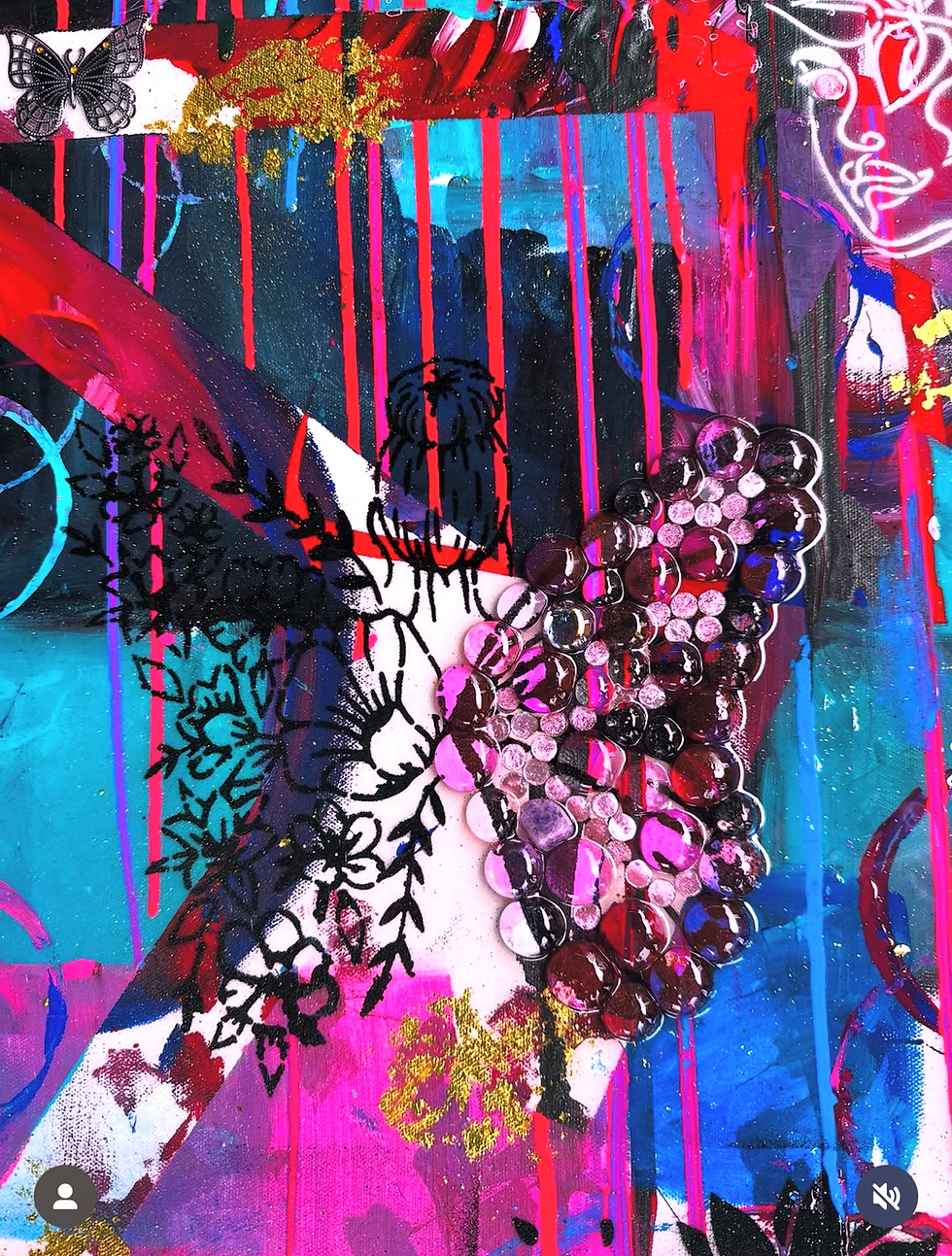
The ocean appears often in your work… what memories or emotions are you trying to preserve?
The sea is my first teacher. Growing up near water taught me about depth, fragility, mystery, and resilience. My marine-inspired pieces protect the stories the sea whispers — stories of beauty, danger, and urgency.
The textures and colors behave almost like living organisms. They carry salt, movement, vulnerability, and awe. I want to preserve the emotional truth of the ocean before its voice is dimmed by environmental carelessness.
When did you understand that art could also be activism?
It happened gradually, but there was a defining moment when I witnessed environmental destruction up close. Beauty alone was no longer enough.
I realized art could be a vessel for awareness — a form of emotional activism. It became my way of speaking without shouting, of expressing urgency through tenderness. Every piece I make now carries both emotional and ecological life.

You work across many creative forms. What emerges in painting that doesn’t appear elsewhere?
Painting reveals the quietest part of me — the part that doesn’t perform or explain.
Fashion and performance involve interaction and movement. Painting is vulnerability. It’s the most private conversation I have with myself, beyond roles or expectations — raw, intuitive, and honest.
How did presenting your art at Clio Art Fair 2025 influence your direction as an artist?
Clio was transformative. It gave me permission to fully trust my visual identity and narrative.
Being surrounded by independent voices created a sense of belonging I didn’t know I needed. The response to my work reminded me that my artistic path isn’t just valid — it’s necessary. It strengthened my confidence and commitment to creating without compromise.

When you create a piece, what comes first — message or feeling?
The feeling. Always.
Emotion is the ignition. The message grows from it, quietly and naturally. I want the viewer to feel first — interpretation can come later. Once emotion is present, the work becomes a dialogue between intention and intuition.
What do art, fashion, and performance reveal about the same woman inside you?
They are different dialects of one inner voice.
Art reveals my vulnerability
.Fashion reveals my courage and structure.
Performance reveals emotion in movement and the willingness to be witnessed.
Together, they form a complete portrait of a woman who feels deeply and creates boldly.

What do you hope young artists learn from your journey?
That courage is not the absence of fear — it’s choosing purpose over approval.
Creativity isn’t linear or always loud, but it is sacred. Sustainability, integrity, and authenticity are not obstacles to success — they are its foundation. Your path is yours alone, and that is your greatest power.

Marta Eliza’s work does not demand attention — it invites presence.
Through emotion-led creation, environmental awareness, and multidisciplinary expression, her practice becomes a space where beauty carries responsibility, and vulnerability becomes strength. What lingers after encountering her work is not explanation, but feeling — and the quiet understanding that tenderness itself can be a form of resistance.
You can learn more about Marta Eliza and her work via these links:
Website: Marta Eliza Instagram: @maluxcre
Comments